
 Exhibition | Asia Pharma Expo - Feb 29 to March 2, 2024
Come visit us during the Asia Pharma Expo in…
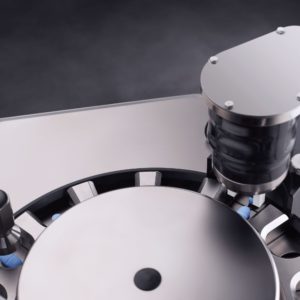 What is the cornerstone of flawless IPC testing?
Advantages of In-process Quality Control Testing Atline In-process tablet…
 Pharma Technology thinks green
Pharma Technology headquarter is located in Nivelles in a…
 Boosting productivity through high quality dedusting technology
The Challenge Consumers have high demands when it comes…
 Success Story | Achieve extra polishing with food supplements
“Our challenge is to get a clean, shiny capsule,…
 ISO 9001:2015 certification
“Pharma Technology is committed to consistently exceeding customer expectations…

We will be present at IFPAC next month, the essential meeting place for the latest developments in Process Analytical Technology (PAT), Quality by Design (QbD), and overall process monitoring & control within the Pharmaceutical.
We are looking forward to sharing in discussions about the current challenges, as well as the future needs of the industry.
Don’t miss the opportunity to meet our expert Sven Borchert, Product Specialist for the Quality Control Division, who will present our latest developments in PAT during his talk “100% Inspection of Tablet Mass, Thickness, API Content, Porosity, and Hardness“.
In an era where precision and reliability define pharmaceutical excellence, understanding the intricacies of tablet production is more crucial than ever. This talk will delve into the latest technologies and methodologies in 100% inspection, ensuring each tablet meets the highest standards of quality and efficacy. From groundbreaking technologies to measure mass and thickness, to advanced strategies for assessing API content, porosity, and hardness, we’ll cover the spectrum of challenges and solutions in tablet manufacturing.
SAVE THE DATE
ABSTRACT
If no PAT is used for conventional batch or continuous manufacturing, the quality of the manufactured medicines needs to be assessed based on adequate sampling and existing release standards and methods. These are tests with ‘Pass’ or ‘Fail’ statements, that apply for the entire batch, based on a limited number of adequately sampled specimen.
As these tests happen at the end of the manufacturing process the question comes up, how to manage the
production to be ensure these tests pass?
Many initiatives have been published since 2000 to implement new statistical methodologies ensuring that a batch could meet the release tests.
Focus on on-line and in-line methods for the in-process control of manufactured tablets has increased, with view to secure batch releases and ultimately to enable real time release testing.
Tablet porosity and tablet breaking force (or tablet hardness) are known to impact disintegration and dissolution behaviors. Being able to monitor these tablet properties to ensure passed dissolution tests was the driver of this case study.


 Close
Close